Bioremediation is the process of using biological organisms such as microbes, plants, and fungi to detoxify/clean up contaminated areas of the enviornment The three main areas used in bioremediation include: phytormediation, microbial remediation, and mycoremediation. They are all somewhat similar and the only key difference lies in waht organisms they use to clean up the environment. Phytoremediation uses plants, Mycoremediation utilises fungi, and Microbial remediation makes uses of microorganisms.
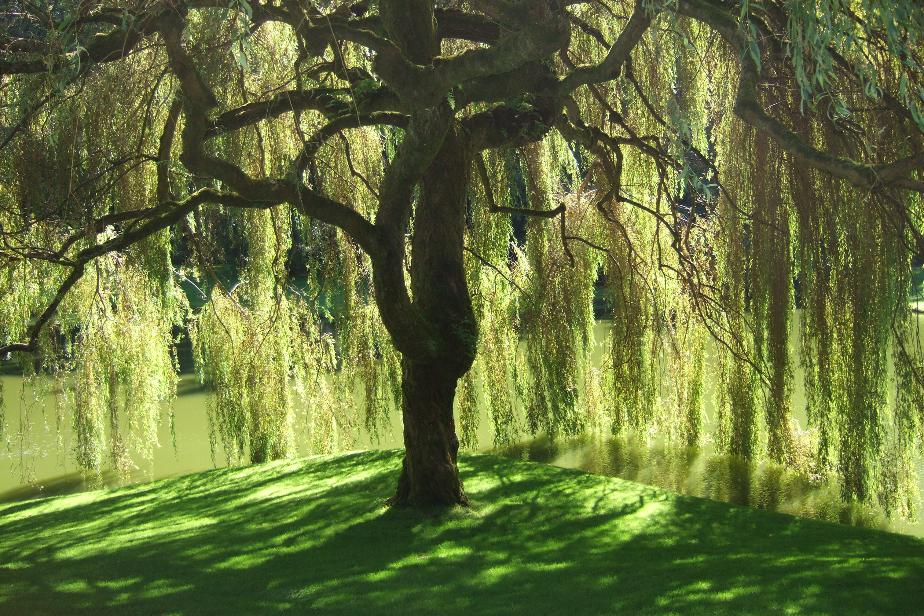
An example of phytoremediation is using flowers from a White Willow (pictured above) to accumulate heavy metals in their roots, effectively removing the metals from the soil.
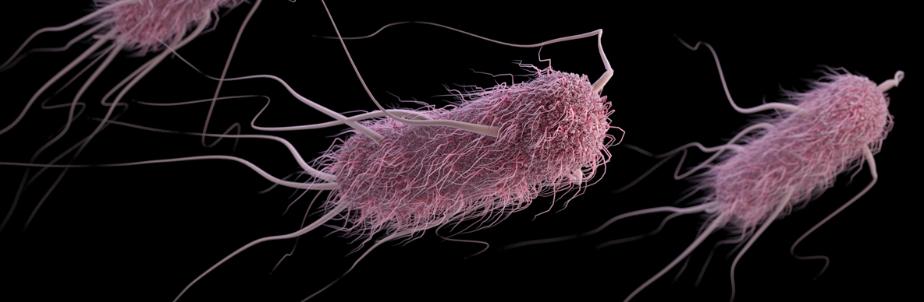
An example of microbial remediation is genetically modifying E.Coli (pictured above) to resist and accumulate mercury from bodies of water.
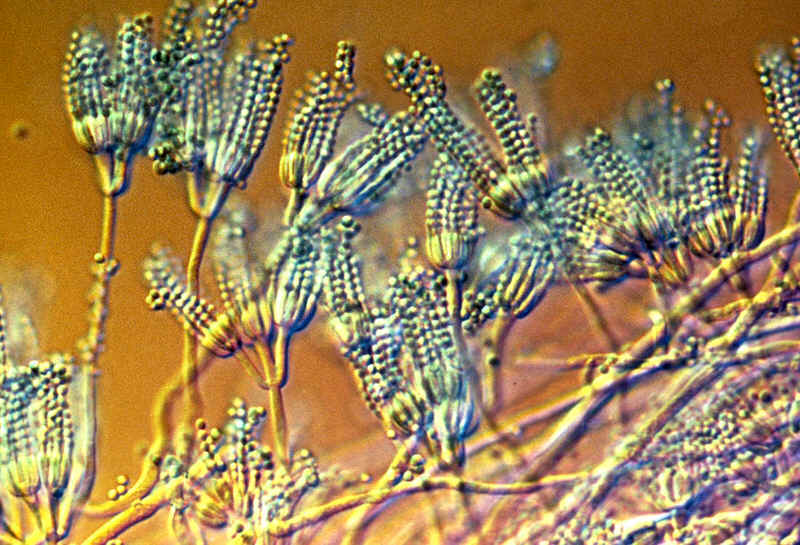
An example of mycoremediation is when Penicillium sp. fungi is used to help clean up/remove oil from the soil because they are resistant to the oil and secrete enzymes which help break down the oil.